Southern Tanzania
Mikumi
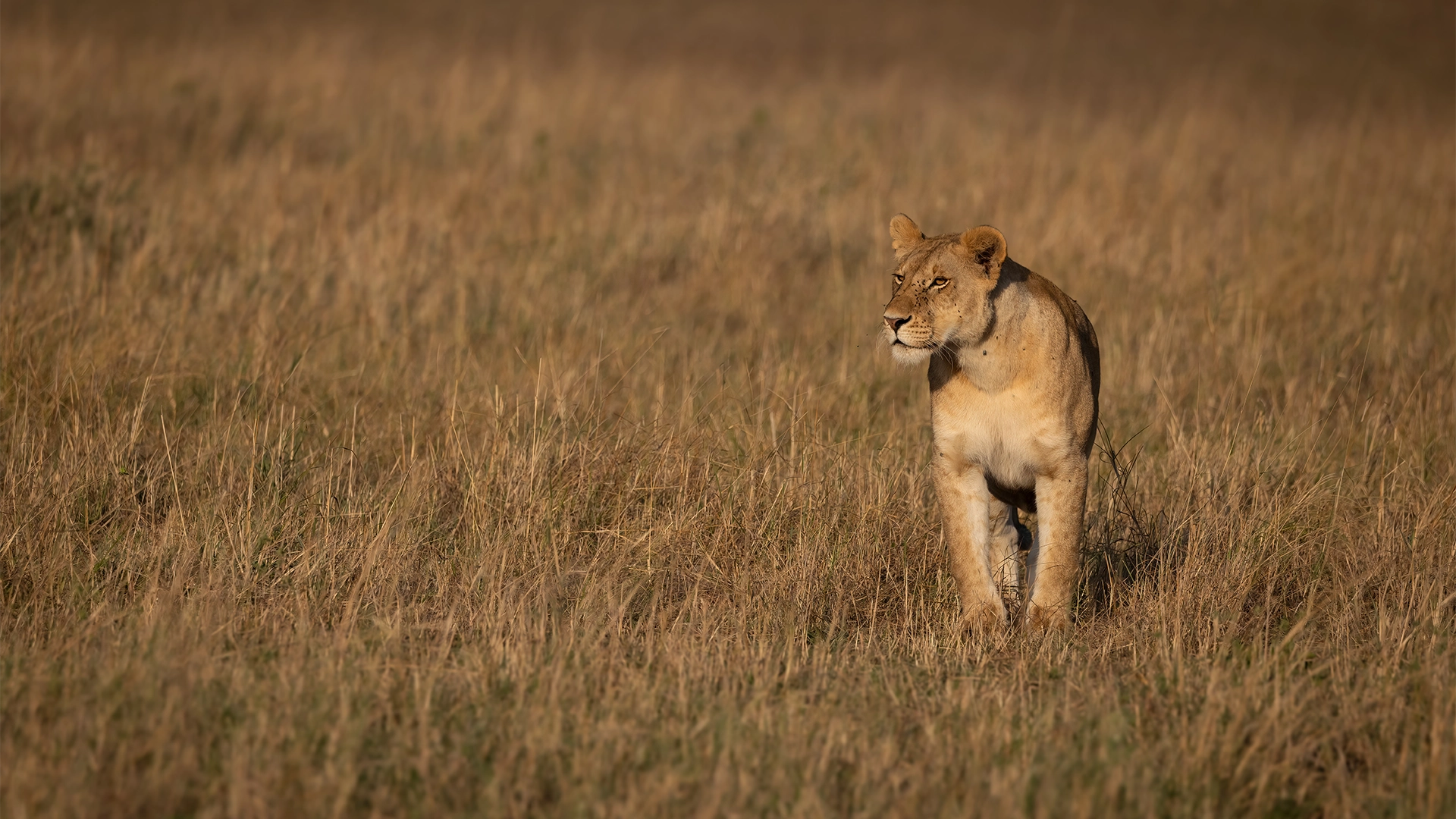
Open grassland on the Mkata floodplain, one of the more accessible parks of the south.

The Wild Heart of Southern Tanzania
The Rufiji River, its lakes and channels, and a wilderness on a grand scale.
Formerly Part of the Selous
Nyerere National Park was created in 2019 from the northern part of the historic Selous Game Reserve, so many travellers still know this country by the Selous name. Named after Julius Nyerere, Tanzania’s first president, it is the largest national park in the country.
The Rufiji River runs through its heart, spreading into a network of channels, lakes and floodplain before it reaches the coast. Around it lie miombo woodland, palm-fringed lagoons and open grassland.
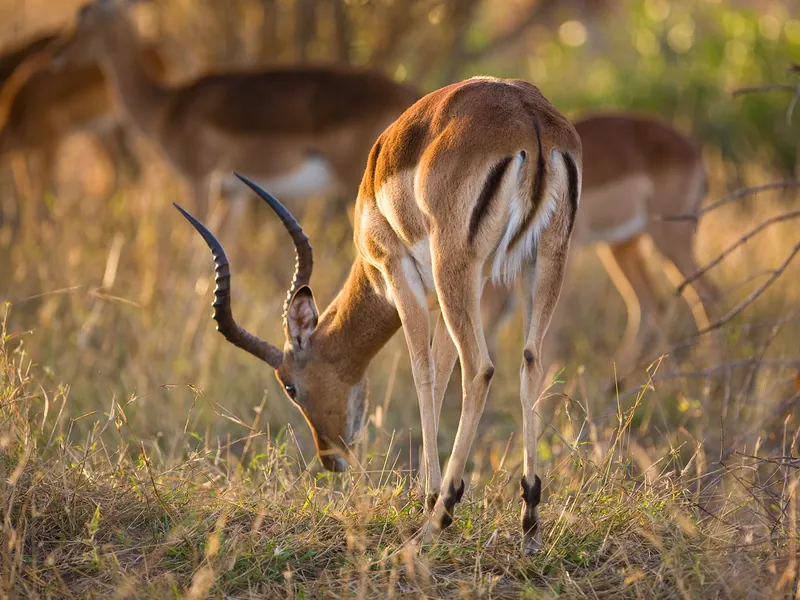
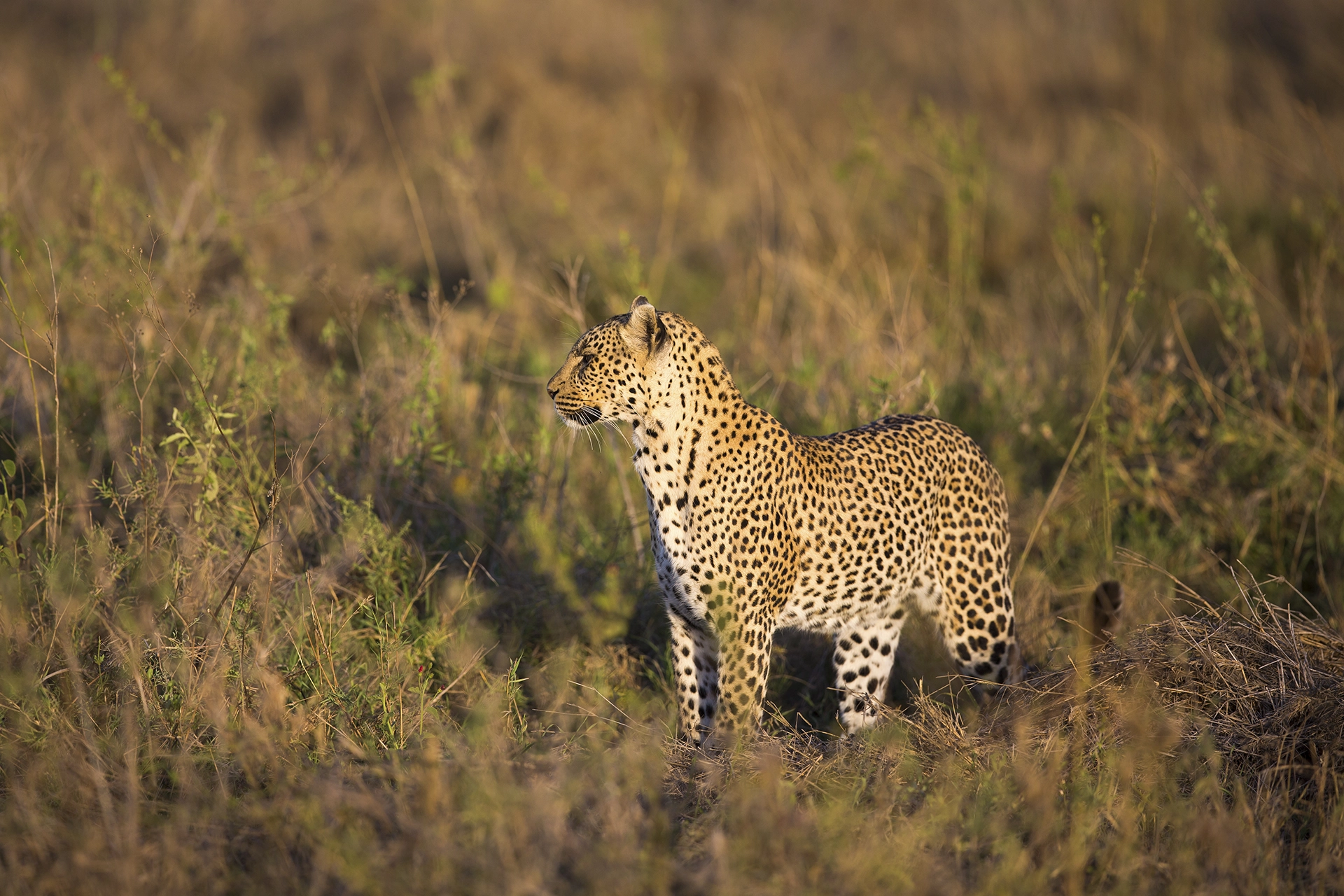
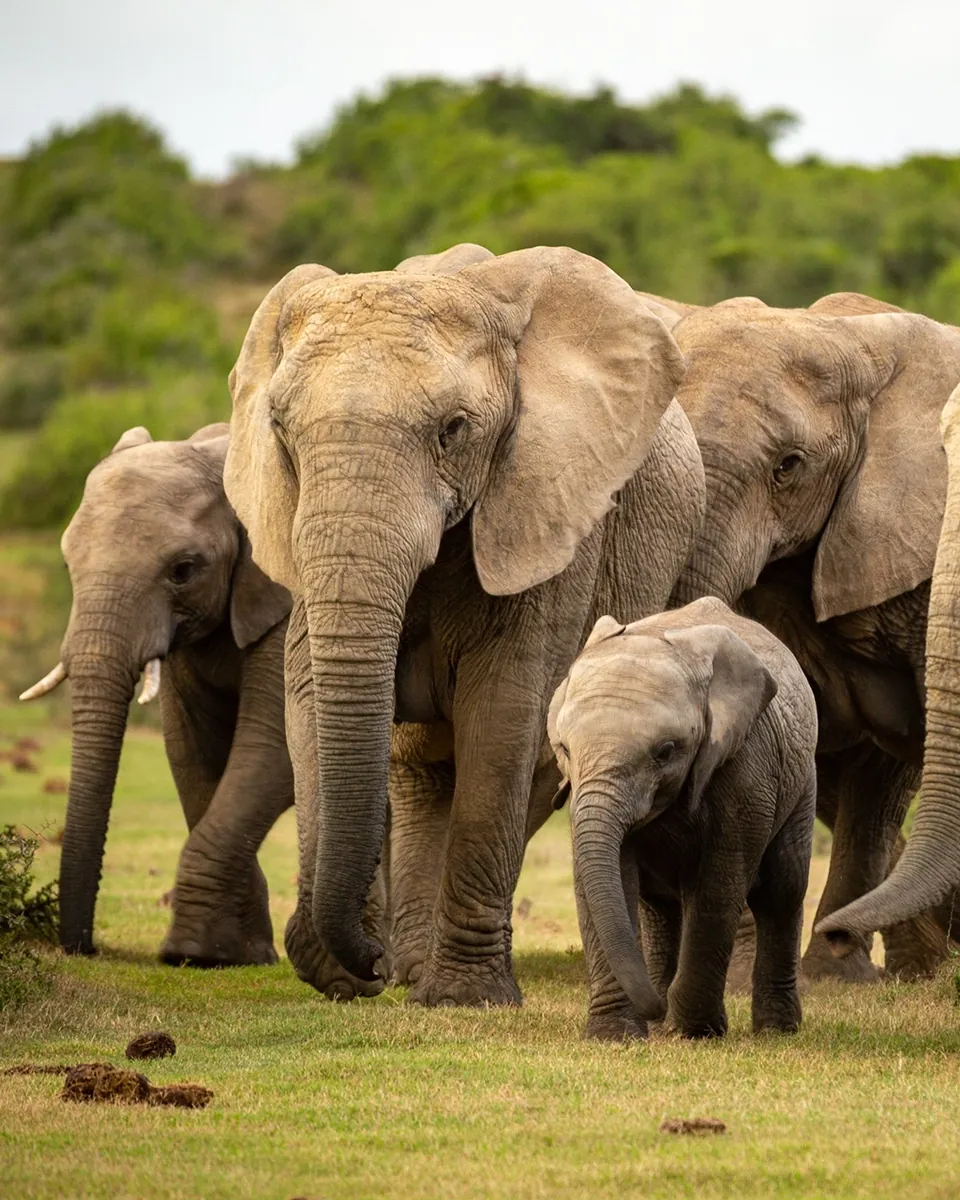
Elephants, buffalo, hippos and crocodiles are part of the river landscape, and the park is known for predators including lions and the endangered African wild dog.
What Makes It Distinctive
Nyerere offers more ways to explore than most parks, and a sense of space that comes from its size and remoteness.
Boat safaris on the river and its lakes offer a different angle on wildlife, from hippos and crocodiles to waterbirds along the banks.
Drives through woodland and open country offer opportunities to observe elephants, buffalo, plains game and predators.
Guided walks are possible in some areas, depending on the camp and season, bringing attention to tracks, birds and smaller details.
The park is one of the strongholds of the African wild dog. They range widely, so sightings are a privilege rather than a promise.
Optional Activity
Subject to group size and boat arrangements. This is an activity price, not the park conservation fee. Activity prices are indicative starting rates and may vary with group size, pickup location, private/shared arrangements and supplier availability.
Add This ExperiencePlanning Your Visit
Three nights or more allows time to combine game drives with time on the river at an unhurried pace.
Most visitors arrive by light aircraft from Dar es Salaam or Zanzibar. The park can also be reached by road.
The drier months, roughly June to October, are usually the most rewarding for wildlife. Some camps close during the heaviest rains, typically around April and May.
Combine it with Mikumi, or finish on the coast in Zanzibar. See how it fits alongside our other wildlife safaris.
Safari Journeys
Explore More of Tanzania
Southern Tanzania
Open grassland on the Mkata floodplain, one of the more accessible parks of the south.

Indian Ocean
Stone Town, Swahili culture and the Indian Ocean coast, a natural end to a safari.
Northern Circuit
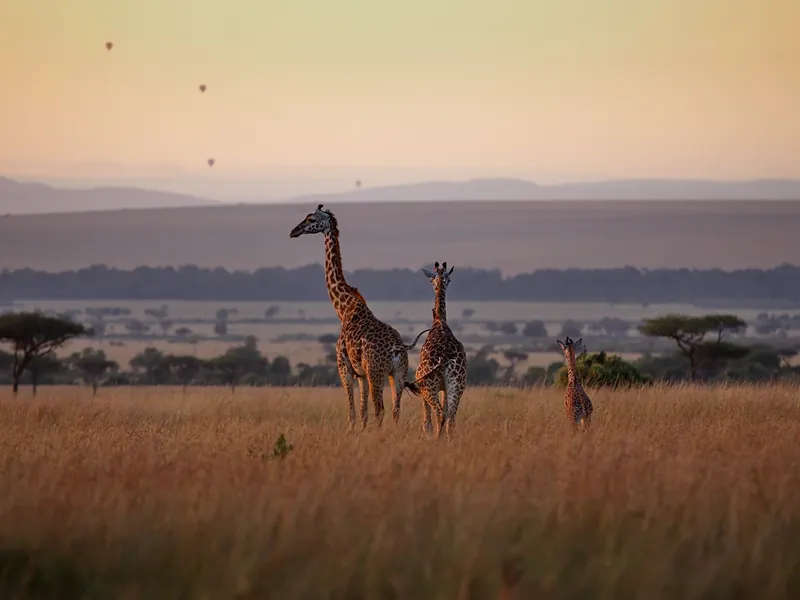
Endless plains, the Great Migration and one of Africa’s most celebrated wildlife landscapes.
Ready to Explore Tanzania?
From safari plains to Kilimanjaro and Zanzibar, let us help shape a journey made for you.